
SGL Certificate
Every certified Divija piece arrives with an independent laboratory report for its centre stone. This page explains what that document is, what it records, and how to check it yourself.
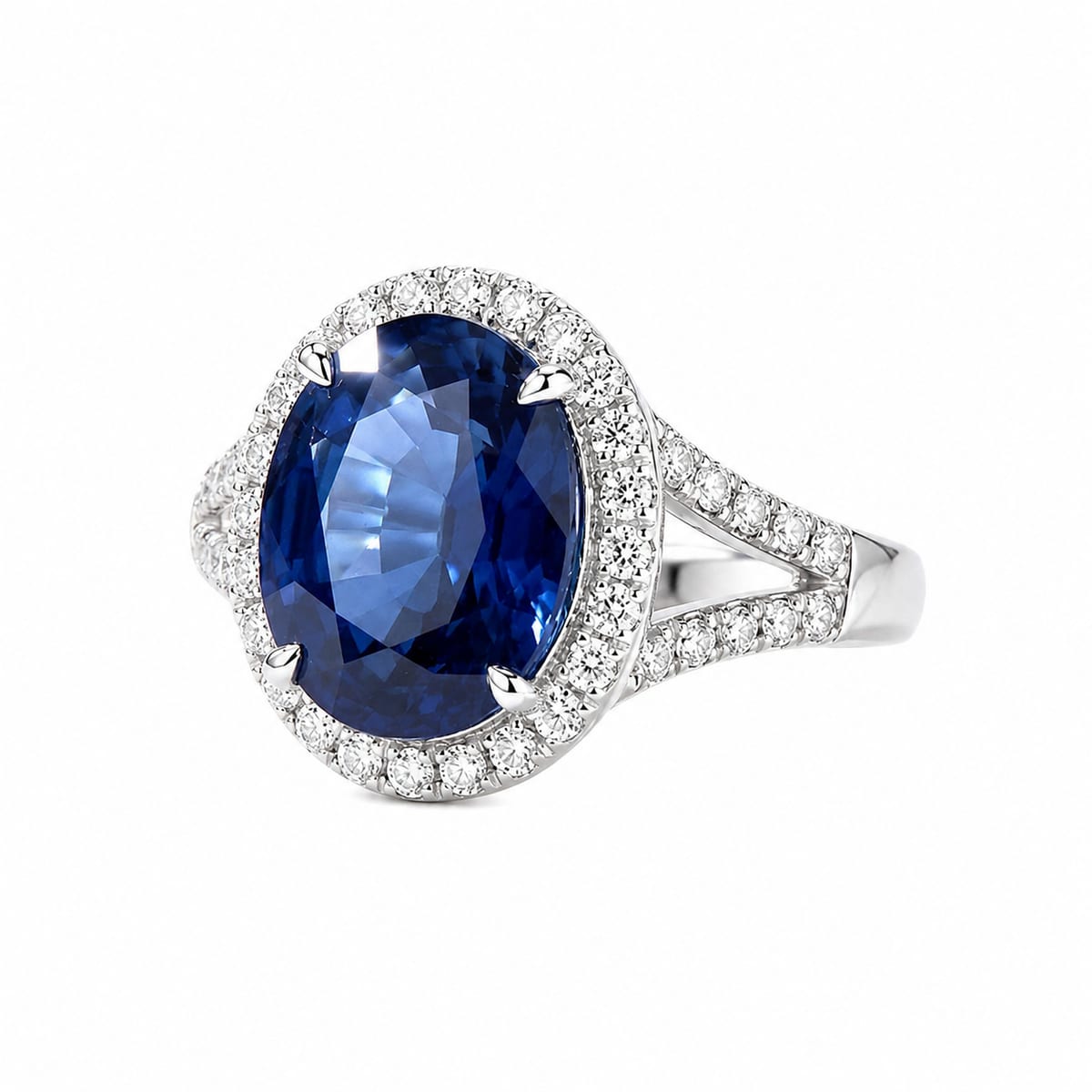
What a gemstone certificate is
A gemstone certificate — also called a grading report — is a document issued by an independent gemmological laboratory after the stone has been examined. It records what the stone actually is and to what grade, using standard measurements rather than descriptive language.
It matters because almost nothing about a gemstone can be judged reliably by eye. Whether a stone is natural or lab-grown, whether its colour has been enhanced, and how its clarity compares to another stone of the same size are all laboratory findings. A report turns those into something written down, numbered, and checkable.
SGL — Solitaire Gemmological Laboratories — is one of the gem testing laboratories operating in India that issues reports of this kind. Divija provides certification from SGL, IGI and DGLA, and from GIA for solitaire diamonds.
- IndependentGraded by a laboratory, not by the seller
- Unique numberEvery report carries its own reference
Verifying your certificate
Certification is only worth something if it can be checked. It takes about a minute.
-
Find the report number
It is printed on the certificate that came with your piece, and is often laser-inscribed on the girdle of a certified diamond.
-
Look it up with the laboratory
Enter the number in the issuing laboratory's own report-check service — for this report, on SGL's website. Verify with the laboratory, never with the seller.
-
Compare it against your stone
The measurements, weight and grades on the record you retrieve should match the certificate in your hand exactly.
-
Tell us if anything differs
If a single figure does not match, contact us before anything else. We will resolve it with the laboratory.
Check an SGL report on SGL’s own website, using the report number printed on your certificate. If the record will not come up, send us the number and we will take it up with the laboratory.
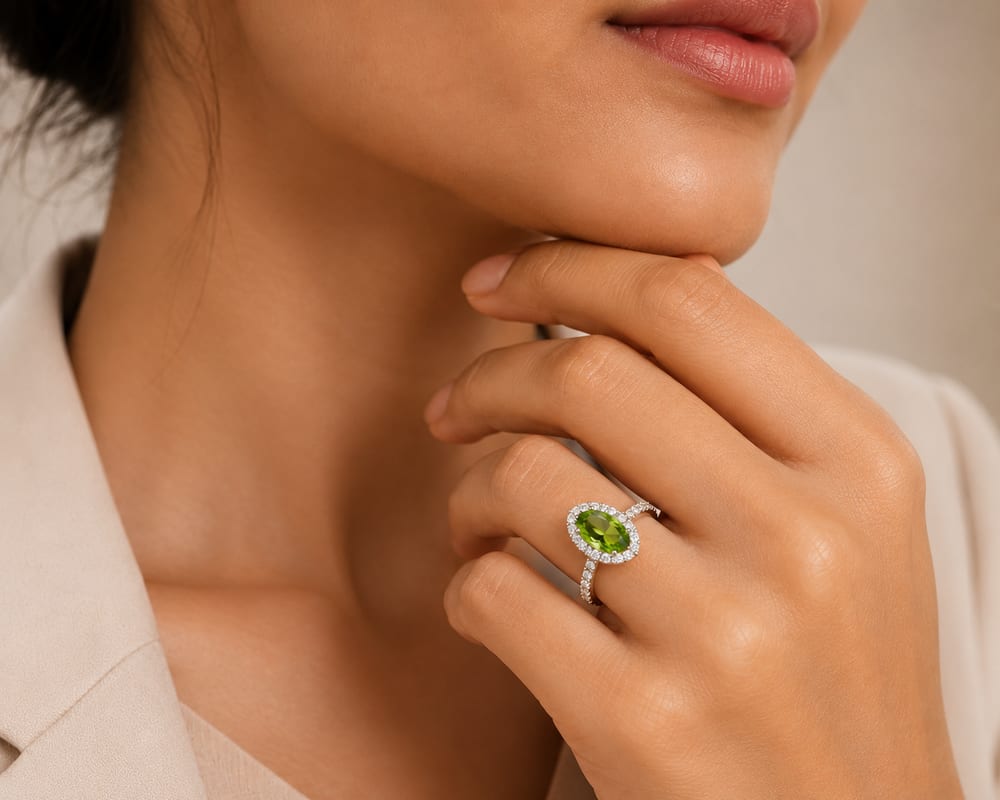
Our own quality check
A laboratory report describes a stone. It does not describe the piece the stone ends up in, so certification is one check among several rather than the last word.
Before anything is packed, the finished piece is inspected against its original specification: metal purity and hallmarking, the security of every setting, the finish on the reverse where nobody looks, and the stone's report number against the paperwork going in the box.
Certification, answered
Which laboratories does Divija certify through?
We provide certification from IGI, SGL and DGLA. GIA certification is provided only for solitaire diamonds. Which laboratory examined the stone in a particular piece is stated on its product page and on the report that arrives with it.
Does every piece come with a certificate?
Certification applies to the centre stone, so pieces built around a significant stone are the ones that carry a report. Smaller accent stones are not individually certified — that is normal across the industry, and the cost of doing so would exceed the value of the stones. The product page states what documentation a piece comes with.
What is the difference between a certificate and an appraisal?
A grading report describes the stone: weight, measurements, colour, clarity, cut and origin. An appraisal puts a monetary value on the finished piece, usually for insurance, and that value moves with the market. They answer different questions, and a report is the more objective of the two.
Are lab-grown stones certified too?
Yes. A laboratory-grown stone is graded on the same scales as a mined one, and the report states clearly that it is laboratory-grown. Any piece we sell with a lab-grown stone is described as such on its product page, in its report, and on its invoice.
I have lost my certificate. Can it be replaced?
Contact us with your order number. A replacement copy has to be issued by the laboratory that carried out the original examination, and we will make that request on your behalf. The laboratory may charge a fee for it.
Does the certificate travel with the piece if I sell it?
Yes, and it should. A certified stone without its paperwork is worth noticeably less on resale, because the next buyer has to take the description on trust. Keep the report with the piece.
Certification practices and laboratory scales change over time. If you need a definitive answer about a specific stone, the issuing laboratory is the authority — we will help you reach them.
Ask us about your certificate
Send us your report number and we will walk you through what it says, line by line.